
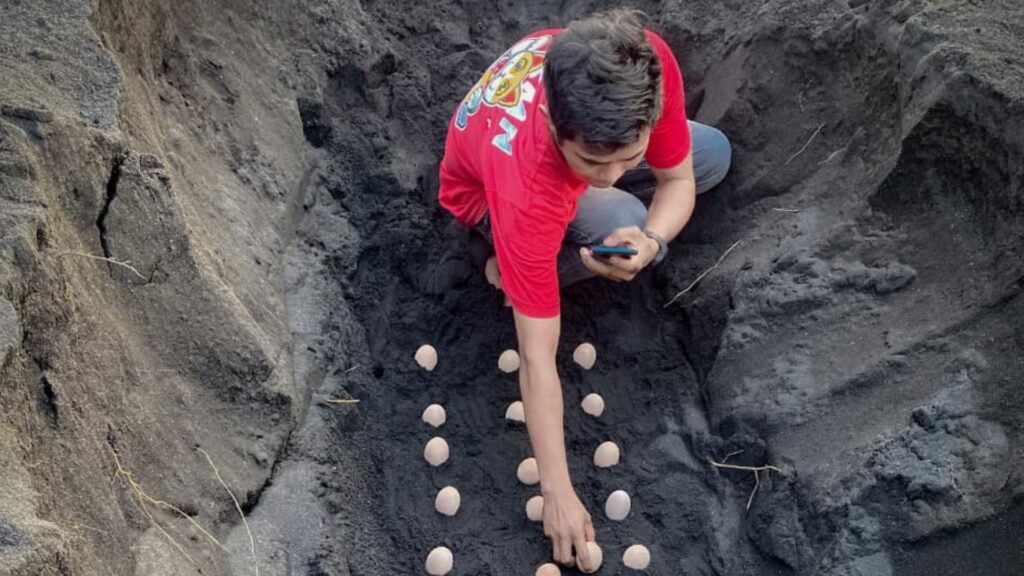
Since 2016, Sabua Foundation has been working alongside the people of Simau Village in Galela, North Halmahera, to protect one of the island’s most distinctive birds, the Maluku scrubfowl (Eulipoa wallacei), an endemic species that lives deep in the forest yet travels to the coast to bury its eggs in the warm sand. Nearly a decade on, the program continues today as one of the foundation’s ongoing commitments.
The Maluku scrubfowl occupies an unusual place in local life. For generations, its eggs have been a source of food for coastal communities, and along the shoreline where the birds nest, residents have claimed plots of beach as their own, treating the stretches where the scrubfowl lay their eggs as family property. Any conservation effort, then, had to begin not by fencing the birds off from people, but by working with the very communities whose livelihoods are tied to them.
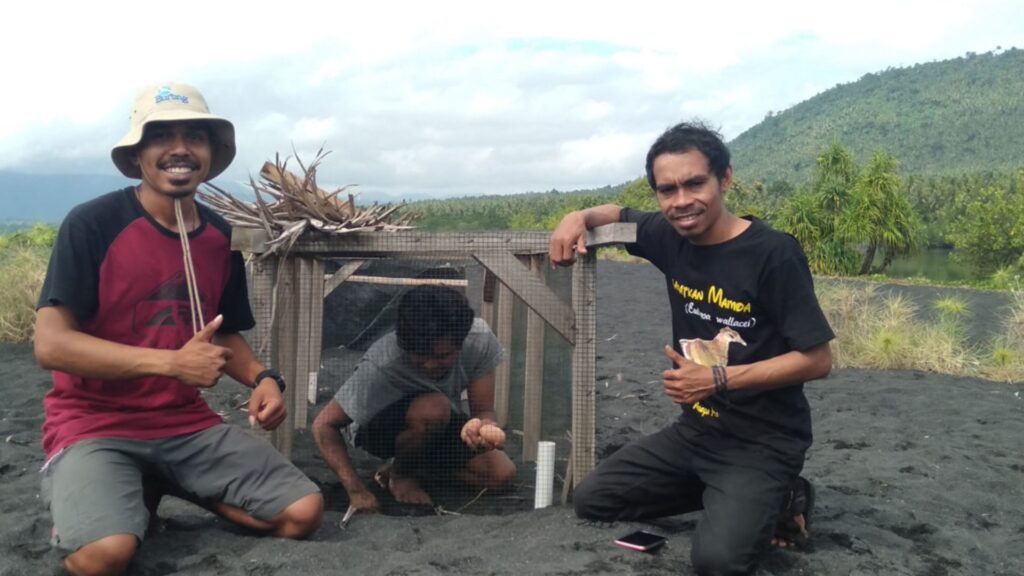
That is the principle behind Sabua Foundation’s approach. Rather than prohibiting the harvest of eggs outright, the program is built around the community itself, supporting the sustainability of the species without cutting off the livelihoods that depend on it. The aim is a balance in which the scrubfowl population can endure while the people of Simau continue to draw food and meaning from the coast they have always tended.
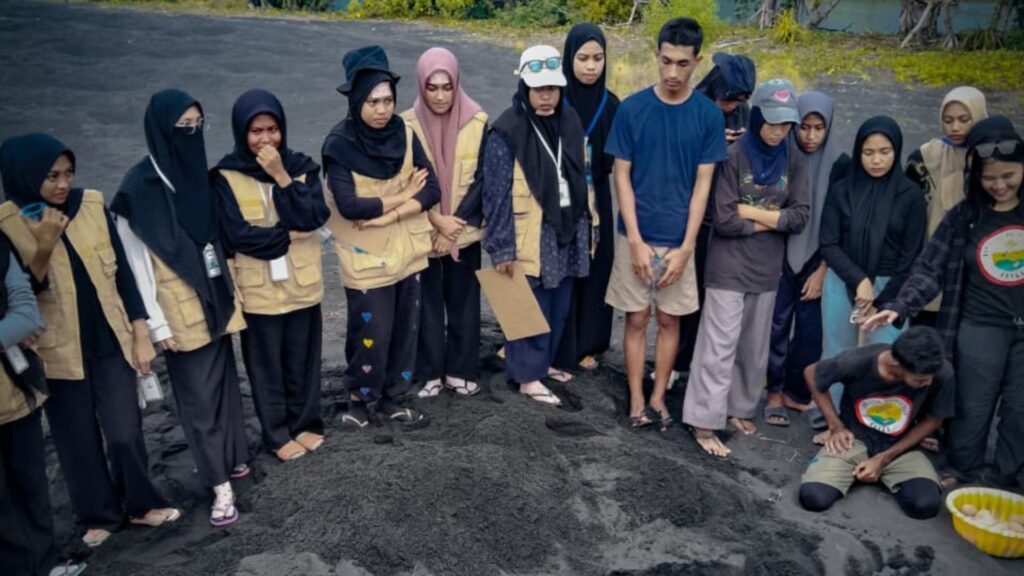
The work is closely bound to the surrounding ecosystem. The beaches where the scrubfowl nest sit alongside the mangrove forests of Simau, and protecting one means protecting the other. Conservation of the bird and stewardship of the coastal habitat are treated as a single, connected effort, reflecting the foundation’s broader conviction that environment, culture, and community livelihoods are strongest when nurtured together.
Today the scrubfowl program remains active and is being carried forward as part of Sabua Foundation’s continuing work on the coast of Galela. It stands as an example of how conservation rooted in community ownership, rather than imposed from outside, can keep an endemic species and the people who live beside it on the same path.